

10% of 8 Billion: How Percentage Calculations Drive Smart Business Decisions
In modern business, numbers guide every decision—from pricing and profits to market size and global expansion. One of the most powerful yet simple tools in business mathematics is percentage calculation. Whether you’re analyzing global markets or offering discounts to customers, understanding percentages can significantly improve decision-making.
This article explains 10% of 8 billion and related calculations such as what is 1/3 of 8 billion, 30% off 29.99, and 15% of 30 billion, all within a practical business context.
Understanding Percentages in Business
Percentages are used in almost every business function, including:
- Market share analysis
- Revenue forecasting
- Pricing and discount strategies
- Budget planning
- Investment evaluation
Even a small percentage can represent a huge number when dealing with billions. That’s why accurate calculations matter.
What Is 10% of 8 Billion?
Let’s start with the main focus keyword.
Calculation:
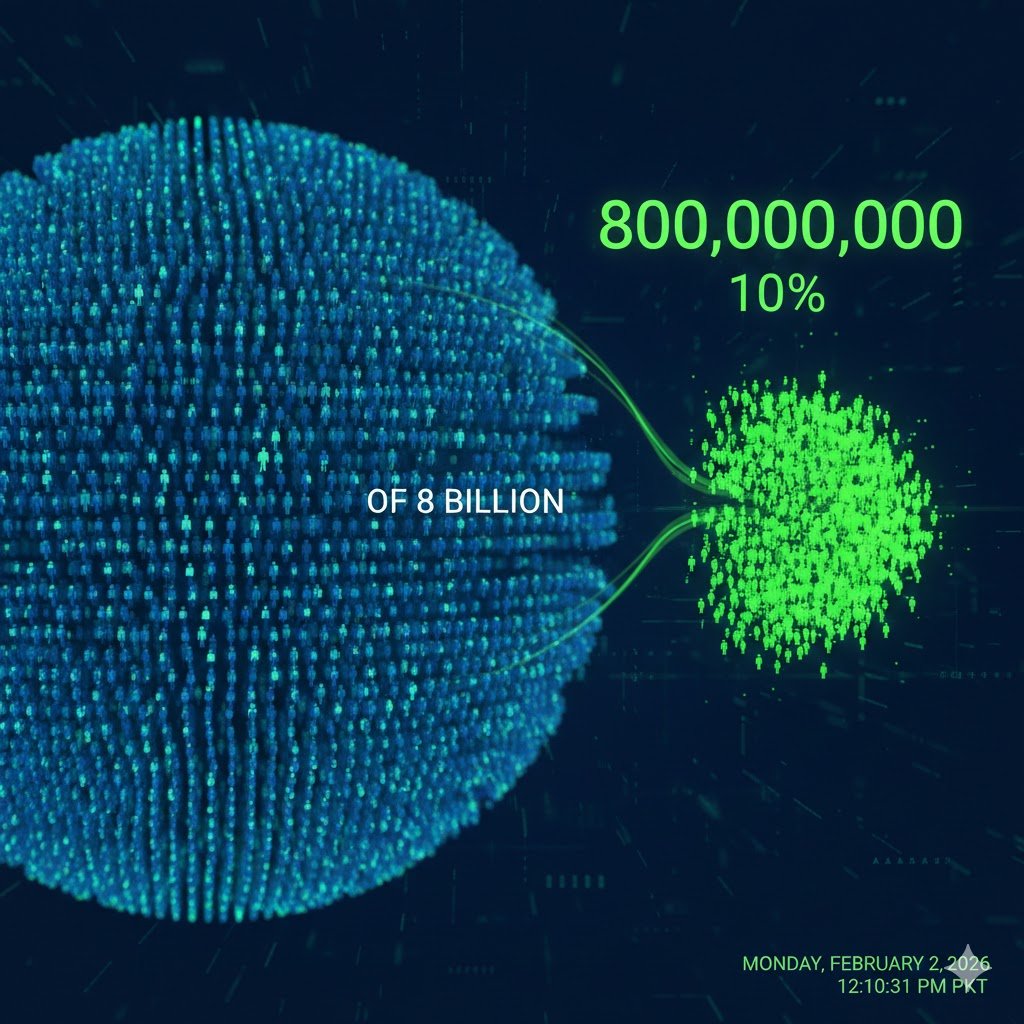
8,000,000,000 × 10% = 800,000,000
✅ Final Answer:
10% of 8 billion is 800 million
Why 10% of 8 Billion Is Important in Business
In business terms, 8 billion often represents:
- Global population
- Worldwide digital users
- Total market size
If a company captures only 10% of an 8-billion-unit market, that equals 800 million users or customers, which is massive.
Real-World Business Examples:
- A mobile app targeting global users
- An eCommerce platform expanding internationally
- A SaaS company estimating potential subscribers
Understanding 10% of 8 billion helps businesses set realistic growth targets and attract investors.
What Is 1/3 of 8 Billion?
Businesses often divide resources, markets, or revenue into parts. So, what is 1/3 of 8 billion?
Calculation:
8,000,000,000 ÷ 3 = 2,666,666,666.67
✅ Final Answer:
1/3 of 8 billion is approximately 2.67 billion
Business Applications of 1/3 of 8 Billion
Knowing 1/3 of 8 billion is useful for:
- Regional market division (Asia, Europe, Americas)
- Revenue sharing among stakeholders
- Allocating marketing budgets
For example, if a global company allocates one-third of its efforts to a specific region, it’s focusing on 2.67 billion potential consumers.
Repeating the Concept: 1/3 of 8 Billion Explained Simply
Sometimes businesses need clarity without complexity.
- 1/3 of 8 billion = 2.67 billion
- Rounded for reporting: ≈ 2.7 billion
This figure is commonly used in:
- Business presentations
- Market research reports
- Financial forecasting
Clear understanding avoids costly miscalculations.
30% Off 29.99: Pricing and Discount Strategy
Discounts are a powerful business tool. Let’s calculate 30% off 29.99.
Step-by-Step Calculation:
- 30% of 29.99 = 8.997 ≈ 9.00
- 29.99 − 9.00 = 20.99
✅ Final Price:
$20.99
Why This Matters in Business
Applying 30% off 29.99 is common in:
- Retail sales
- eCommerce promotions
- Seasonal campaigns
Strategic discounts:
- Increase conversion rates
- Improve customer retention
- Boost short-term revenue
Smart businesses calculate discounts accurately to protect profit margins.
What Is 15% of 30 Billion?
Large enterprises and governments often deal with huge budgets. So, what is 15% of 30 billion?
Calculation:
30,000,000,000 × 15% = 4,500,000,000
✅ Final Answer:
15% of 30 billion is 4.5 billion
Business Use Cases for 15% of 30 Billion
This calculation is relevant for:
- Tax estimations
- Corporate profits
- Investment allocations
- Operational cost analysis
Even a 15% portion can represent billions, highlighting the importance of precision.
Why Percentage Calculations Are Critical for Business Growth
Understanding calculations like 10% of 8 billion, 1/3 of 8 billion, and 15% of 30 billion allows businesses to:
- Analyze large markets confidently
- Plan expansion strategies
- Make data-driven decisions
- Communicate financial insights clearly
Businesses that rely on guesswork instead of accurate math often struggle with scalability.
How Businesses Use Percentages in Daily Operations
Percentages are not just theoretical—they’re practical tools used daily.
Common Business Scenarios:
- Profit margins (e.g., 20% profit)
- Sales growth (e.g., 15% increase)
- Customer retention rates
- Advertising ROI
When these percentages are applied to large numbers, even small errors can lead to massive losses.
Global Market Perspective: Thinking in Billions
In today’s digital economy, businesses no longer think locally. Markets are global, and numbers are massive.
- 10% of 8 billion shows market reach
- 1/3 of 8 billion helps in segmentation
- 15% of 30 billion supports financial planning
Companies that understand these figures position themselves for global success.
✅ FAQ Section (Schema-Ready for Google)
You can add this at the end of the article to win rich snippets 👇
❓ What is 10% of 8 billion?
10% of 8 billion is 800 million. This calculation is commonly used in business to estimate market share and global reach.
❓ What is 1/3 of 8 billion?
1/3 of 8 billion equals approximately 2.67 billion. Businesses use this to divide markets, budgets, or resources.
❓ How do you calculate 30% off 29.99?
To calculate 30% off 29.99, subtract 30% (8.99) from 29.99.
The final price is $20.99.
❓ What is 15% of 30 billion?
15% of 30 billion is 4.5 billion. This calculation is useful for profit analysis, taxes, and investment planning.
❓ Why are percentage calculations important in business?
Percentage calculations help businesses with pricing, forecasting, budgeting, market analysis, and decision-making.
Final Thoughts
Mastering percentage calculations is essential for every business owner, marketer, and analyst. Whether you’re estimating 10% of 8 billion, calculating 30% off 29.99, or analyzing 15% of 30 billion, accuracy leads to better decisions.
