

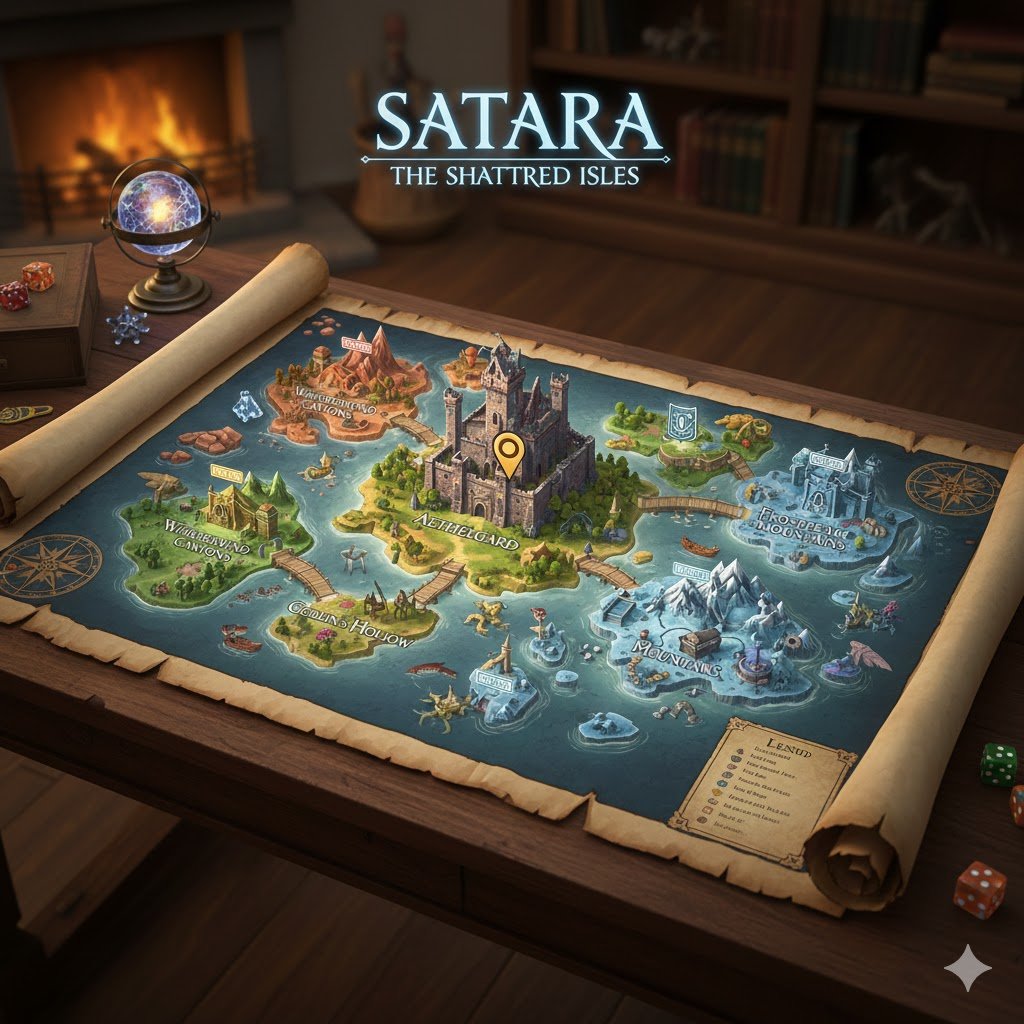
Featured Snippet: What is satara map game?
The satara map game is a location-based puzzle and strategy game where players explore a digital map of Satara, complete tasks, unlock areas, and solve challenges tied to real or fictional landmarks. It blends map navigation, logic, and progression-based gameplay into an engaging interactive experience.
Introduction: Why Everyone Is Talking About the Satara Map Game
I’ve seen countless map-based games over the years, but very few create genuine curiosity the way the satara map game does. People don’t just stumble into it for entertainment. They usually arrive with questions.
How does it work?
Is it skill-based or luck-based?
Why is Satara central to the gameplay?
That curiosity is exactly what makes this game different. The it isn’t a mindless tap-and-play experience. It rewards attention, pattern recognition, and smart decision-making. If you enjoy games that make you think while still feeling accessible, this one likely caught your eye for a reason.
In this guide, I’ll break it down clearly, practically, and honestly so you know exactly what you’re dealing with before investing your time.
What Makes the Satara Map Game Unique
Most map games rely heavily on visuals or repetitive tasks. In contrast, the it builds engagement through structure.
The map itself isn’t just decoration. It’s the core mechanic.
Key elements that set it apart:
- Progression tied directly to map exploration
- Tasks that change based on location zones
- Strategic choices that affect long-term outcomes
- A balance between logic and intuition
Instead of rushing players forward, the game encourages observation. Miss a detail on the map, and you’ll feel it later.
That design choice alone explains why many players either love it or quit early. It’s not forgiving if you ignore the system.
Understanding the Core Gameplay Mechanics
Before diving into strategies, it helps to understand how the on actually functions.
Map-Based Progression System
The game unfolds through a segmented map of Satara. Each section represents a stage or challenge.
You don’t unlock everything at once.
Progress typically depends on:
- Completing tasks in the current zone
- Solving location-specific puzzles
- Making correct path selections
Move too fast without preparation, and you’ll hit dead ends.
Task and Challenge Types
From my experience, challenges fall into a few common categories:
- Logic-based puzzles
- Resource allocation tasks
- Pattern recognition challenges
- Decision-based scenarios
Some tasks appear simple at first but become layered as the map opens up.
Risk vs Reward Decisions
One underrated aspect of the it is how often it forces choices.
Do you:
- Explore an unknown route for higher rewards?
- Or stick to safer paths with slower progress?
There’s no universal right answer. The game adapts based on how you play.
Why the Satara Theme Matters in Gameplay
The use of Satara isn’t random. Whether inspired by real geography or fictionalized mapping, the structure matters.
The map layout influences:
- Difficulty scaling
- Task placement
- Progression pacing
Certain zones feel intentionally dense, while others act as breathing spaces. This keeps the game from becoming overwhelming.
Moreover, players familiar with map-based thinking tend to perform better. The on quietly rewards spatial awareness.
Pros and Cons of the Satara Map Game
No game is perfect, and this one is no exception.
Advantages
- Engaging map-driven gameplay
- Strong emphasis on skill and observation
- Non-linear progression options
- High replay value for strategic players
Limitations
- Steeper learning curve for beginners
- Limited guidance early on
- Can feel slow if you prefer fast action
Understanding these trade-offs helps set realistic expectations.
How the Satara Map Game Compares to Traditional Map Games
| Aspect | Satara Map Game | Traditional Map Games |
|---|---|---|
| Progression | Strategy-based | Mostly linear |
| Skill Requirement | Moderate to high | Often low |
| Replay Value | High | Medium |
| Learning Curve | Gradual but firm | Usually easy |
| Player Control | Strong | Limited |
If you enjoy thinking two steps ahead, the on stands out.
Step-by-Step: How to Play the Satara Map Game Effectively
Step 1: Learn the Map Before Acting
Don’t rush into tasks.
Spend time:
- Scanning available zones
- Noting locked areas
- Understanding visual markers
This upfront patience pays off later.
Step 2: Start with Low-Risk Zones
Early zones exist to teach mechanics, not punish mistakes.
Focus on:
- Completing basic challenges
- Observing cause-and-effect
- Testing decisions safely
Avoid aggressive exploration too soon.
Step 3: Track Patterns and Outcomes
The game quietly repeats patterns.
Ask yourself:
- What triggered success last time?
- What caused a setback?
Players who reflect progress faster.
Step 4: Balance Exploration and Stability
Exploring unlocks rewards. Stability preserves progress.
Smart play means:
- Exploring selectively
- Securing progress before moving on
- Avoiding unnecessary risks
Step 5: Adapt as Difficulty Scales
Later stages demand flexibility.
What worked earlier may stop working entirely. Adjust strategies based on new zones, not past comfort.
Common Mistakes New Players Make
I’ve noticed the same errors repeatedly.
- Ignoring map cues
- Rushing progression
- Repeating failed paths
- Assuming randomness where logic exists
it isn’t unfair. It’s simply unforgiving if you don’t pay attention.
Is the Satara Map Game Skill-Based or Luck-Based?
This question comes up constantly.
The honest answer: it’s skill-dominant with controlled uncertainty.
Yes, unexpected outcomes exist. However, consistent success depends on:
- Decision quality
- Pattern recognition
- Strategic patience
Players who rely on luck alone rarely progress far.
Who Should Play the Satara Map Game?
This game isn’t for everyone, and that’s okay.
It’s ideal for players who:
- Enjoy puzzles and strategy
- Like map exploration mechanics
- Prefer thoughtful progression
- Don’t mind learning curves
If you want instant rewards without thinking, this probably isn’t your game.
FAQs About the Satara Map Game
What is the main objective of the it?
The goal is to progress through the map by completing challenges, unlocking zones, and making strategic decisions that lead to long-term success.
Is the satara map game suitable for beginners?
Yes, but beginners should expect a learning phase. Early patience makes a big difference.
Does the satara map game require real-world location knowledge?
No. While inspired by map concepts, all required information is provided within the game.
Can you replay the satara map game?
Absolutely. Different choices lead to different outcomes, increasing replay value.
Why does progress feel slow at times?
The game intentionally slows progression to encourage strategy and prevent careless advancement.
Is the satara map game more strategy or puzzle-focused?
It blends both, but strategy plays a slightly larger role as the game progresses.
Final Thoughts: Is the Satara Map Game Worth Your Time?
After spending time understanding and playing the , I can say it’s one of those experiences that rewards effort rather than impulse.
It won’t hold your hand.
It won’t rush you.
And it won’t forgive lazy decisions.
However, if you enjoy games that respect intelligence and reward thoughtful play, it delivers real value.
