

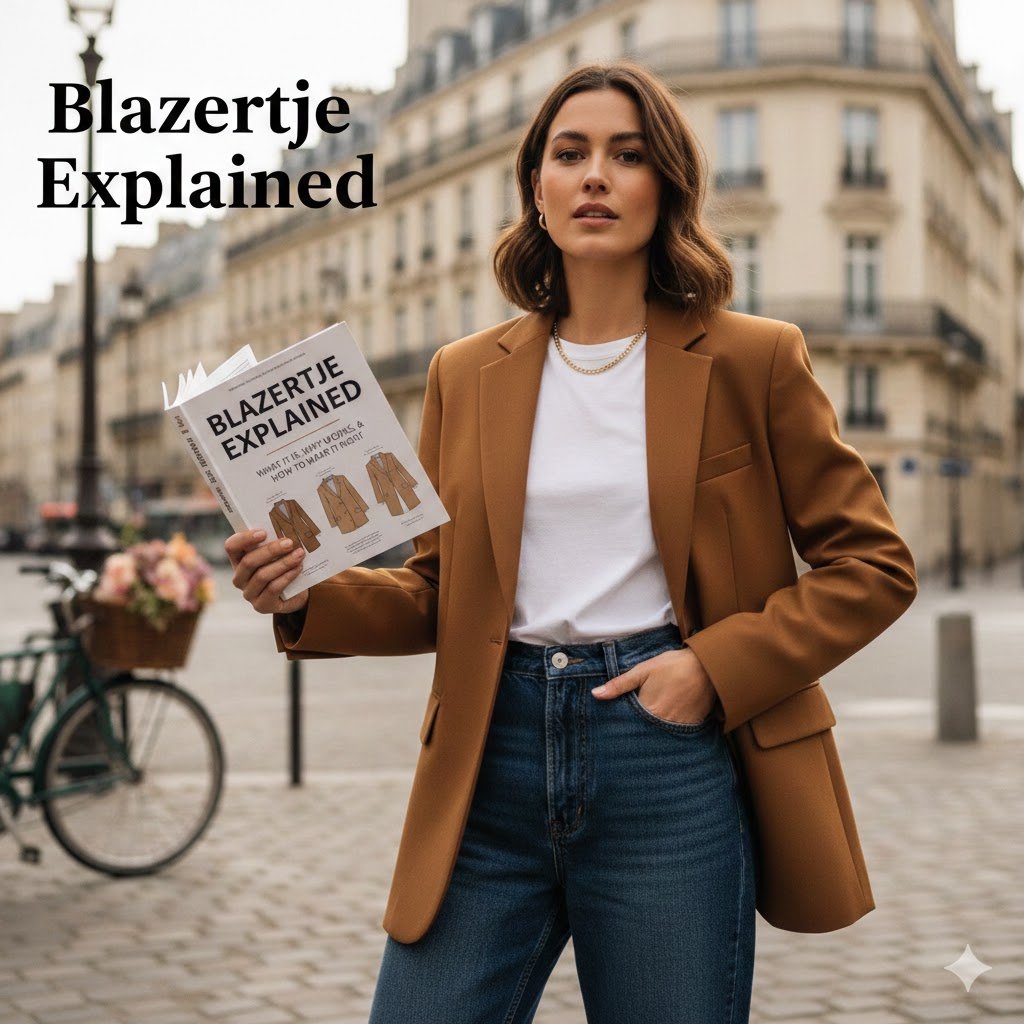
Introduction
I’ll be honest — the first time I heard the word blazertje, I had to pause. It sounded familiar, yet different. Was it a blazer? A jacket? Something trendy that fashion quietly slipped into our wardrobes?
Turns out, it sits right in that sweet spot between formal and casual. It’s one of those pieces you don’t realize you need until you try it on. And once you do, it kind of sticks with you.
In this article, I’ll break down what it really means, how it differs from a classic blazer, why it’s becoming popular, and how you can actually wear it without looking overdressed or underwhelming.
No fashion jargon. No fluff. Just practical, real-world insight.
What Makes a Blazertje Different From a Blazer
The Core Idea Behind it
At its heart, a it is about flexibility.
Traditional blazers were designed for structure — boardrooms, meetings, formal events. it, on the other hand, borrows the shape but relaxes everything else.
Think of it as a blazer that took a deep breath and loosened up.
Key Design Differences
Here’s where it quietly stands apart:
- Softer fabrics
- Less padding in shoulders
- Shorter or more relaxed cut
- Casual buttons or no lining
- Often worn open
It doesn’t scream “formal.” It just looks… effortless.
Blazertje vs Traditional Blazer
| Feature | Blazertje | Traditional Blazer |
|---|---|---|
| Structure | Soft, relaxed | Structured, tailored |
| Fabric | Cotton, linen, blends | Wool, tweed |
| Occasion | Casual to semi-formal | Formal to business |
| Fit | Easy, flexible | Sharp, fitted |
| Styling | T-shirts, jeans | Shirts, trousers |
This difference alone explains why it is showing up more in everyday fashion.
Why Blazertje Is Gaining Popularity
Lifestyle Shift Toward Casual Wear
Let’s be real — people don’t dress the same way they used to.
Remote work, flexible schedules, and casual offices changed everything. We want clothes that look polished without feeling stiff.
it fits that exact need.
Versatility Is the Big Win
From my experience, one it can do multiple jobs:
- Coffee meetups
- Casual office days
- Dinners with friends
- Travel outfits
That kind of flexibility is hard to ignore.
Pros and Cons of Wearing a Blazertje
Advantages of it
- Easy to style
- Comfortable for long wear
- Works across seasons
- Elevates casual outfits
- Doesn’t feel overdressed
Limitations You Should Know
- Not suitable for strict formal events
- Can look sloppy if poorly fitted
- Not always accepted in corporate settings
So yes, it’s great — but context still matters.
Different Types of Blazertje Styles
Casual Cotton it
This is the everyday favorite.
- Lightweight
- Breathable
- Best with jeans or chinos
Perfect for spring and summer.
Linen Blazertje for Warm Weather
Linen blazertjes wrinkle easily, but honestly, that’s part of the charm.
They give off relaxed confidence, not perfection.
Knitted or Jersey Blazertje
This one feels almost like a cardigan.
- Super comfortable
- Ideal for travel
- Works great in cooler months
How to Style a Blazertje the Right Way
How to Wear Blazertje: A Practical Guide
This is where most people get confused, so let’s make it simple.
Step 1: Start With the Right Fit
Fit matters more than brand.
A blazertje should:
- Sit naturally on shoulders
- Allow arm movement
- Not feel tight when buttoned
If it feels restrictive, it’s not a blazertje — it’s just a blazer pretending.
Step 2: Choose the Right Inner Layer
From my own wardrobe, these work best:
- Plain t-shirts
- Polo shirts
- Lightweight sweaters
Avoid stiff dress shirts unless the occasion leans formal.
Step 3: Pair It With the Right Bottoms
Good options include:
- Slim-fit jeans
- Chinos
- Tailored casual trousers
Avoid full suit pants. That defeats the purpose.
Step 4: Keep Footwear Relaxed
Shoes can make or break the look.
Best choices:
- Loafers
- Clean sneakers
- Chelsea boots
Formal dress shoes usually look out of place.
Blazertje for Different Occasions
It for Work
If your workplace allows smart-casual wear, it fits perfectly.
Stick to neutral colors like:
- Navy
- Grey
- Beige
Blazertje for Social Events
This is where blazertje shines.
Pair it with:
- Dark jeans
- White t-shirt
- Minimal accessories
Effortless and stylish without trying too hard.
Travel-Friendly Blazertje
it is a travel essential.
- Doesn’t wrinkle easily
- Easy to layer
- Looks good in photos
That’s a win-win.
Common Mistakes People Make With Blazertje
I’ve seen these mistakes too often:
- Wearing it too tight
- Pairing with overly formal clothes
- Choosing heavy fabrics for summer
- Over-accessorizing
it works best when you keep things simple.
Is Blazertje Worth Investing In?
Short answer: yes — if you value versatility.
Instead of owning multiple jackets for different occasions, a good it can cover most everyday situations.
From a practical point of view, it earns its place in the wardrobe.
FAQs About Blazertje
Here are some common questions people usually ask.
What does blazertje mean in fashion?
it refers to a relaxed, casual version of a blazer designed for everyday wear rather than formal occasions.
Can blazertje be worn to the office?
Yes, it works well in smart-casual or business-casual workplaces, but not in strict formal environments.
Is blazertje suitable for summer?
Absolutely. Lightweight cotton or linen blazertje styles are perfect for warm weather.
How is blazertje different from a jacket?
A it keeps the blazer’s shape but uses softer fabrics and casual design elements, unlike standard jackets.
Can women wear blazertje too?
Yes, it is widely worn by women and often styled with dresses, jeans, or skirts.
Should a blazertje be buttoned?
Most of the time, it looks better worn open, but light buttoning can work depending on fit and style.
Conclusion
It isn’t just another fashion buzzword. It’s a response to how people actually live and dress today.
It bridges the gap between looking sharp and feeling comfortable. From my experience, once you find the right it, it becomes one of those pieces you reach for without thinking.
