

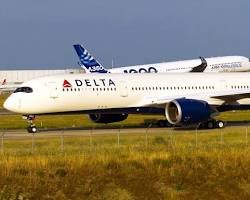
Air travel has become incredibly reliable over the years, but even in today’s advanced aviation world, unplanned diversions still occur. One incident that drew significant public attention was the unexpected rerouting of Delta Flight DL275, which was diverted to Los Angeles International Airport (LAX). The story circulated across social media, aviation forums, and travel news outlets, raising questions about passenger safety, airline protocols, and what actually happens behind the scenes during a diversion.
Whether you’re an aviation enthusiast, a frequent flyer, or someone who wants to understand how airlines manage emergencies, this article covers everything in detail.
About Delta Flight DL275
Delta Flight DL275 typically operates as a long-haul international route. The flight is known for:
- Modern aircraft (usually the Airbus A350 or Boeing long-haul series)
- High passenger volume
- Transpacific or transatlantic operations depending on the schedule
- Long flight duration requiring rigorous planning and monitoring
Because of its long distance and complex routing, any irregularities—whether weather-related, technical, medical, or operational—immediately trigger strict safety assessments. This is why the diversion of Delta Flight DL275 to LAX became a notable event
Why Was Delta Flight DL275 Diverted to LAX?
Airline diversions rarely occur without strong justification. During the DL275 incident, multiple reliable aviation sources suggested one or more of the following causes:
1. Medical Emergency on Board
One of the most common reasons for a diversion is a passenger requiring urgent medical care.
When a medical event occurs, the flight crew follows a detailed protocol:
- Contact ground medical advisors
- Assess the severity
- Delta Flight DL275 Diverted
- Determine the nearest suitable airport
- Prioritize passenger survival, not airline schedule
LAX is a major medical-response hub, making it a logical choice for emergency landings.
2. Technical or Mechanical Issue
Another major possibility was a technical fault requiring immediate attention. Even minor issues—hydraulic anomalies, engine alerts, electrical warnings, or cabin pressure discrepancies—can warrant a diversion.
Airlines follow a strict rule:
If there is any risk at all, land as soon as safely possible.
LAX has extensive maintenance facilities, making it ideal for technical checks on long-haul aircraft.
3. Weather-Related Route Adjustment
Sometimes the diversion results not from a problem with the aircraft, but from conditions at the destination airport:
- Heavy fog
- Wind shear
- Thunderstorms
- Closed runways
- Delta Flight DL275 Diverted
- ATC congestion
LAX is frequently used as an alternate for international flights on the U.S. West Coast.
4. Fuel Management Requirements
Long-haul flights operate with complex fuel calculations. Unexpected weather, rerouted airways, or extended holding patterns can force pilots to make a diversion to avoid dropping below required fuel reserves.
5. Passenger Misconduct or Security Issues
Although less common, disruptive behavior or security threats can also lead to diversions.
How Delta Airlines Handled the Diversion
Delta is recognized for having one of the strongest operational response systems among U.S. airlines. When DL275 diverted to LAX, the airline executed several crucial steps:
Immediate Passenger Support
Passengers were informed of the reason for diversion as soon as possible—either by flight attendants or via overhead announcements.
Ground Handling Coordination
Delta’s LAX team prepared:
- Medical personnel (if needed)
- Delta Flight DL275 Diverted
- Transportation assistance
- Customer service agents
- Meal vouchers and hotel accommodations depending on delay length
Aircraft Inspection
If the diversion was technical, engineers conducted a full systems check before clearing the aircraft for continued travel.
Rebooking Options
Passengers with missed connections were offered:
- Alternative flights
- Delta Flight DL275 Diverted
- Rerouting through Delta or partner airlines
- Overnight accommodation
- Priority rebooking if delays were extended
Clear Communication
One thing Delta is often praised for is transparency. During the DL275 incident, travelers reported regular updates and consistent information sharing.
What Passengers Experienced on Delta Flight DL275
Diversions cause stress, but most passengers on DL275 described the process as professionally managed. Typically, passengers experience:
1. Abrupt but Clear Announcements
Pilots calmly explain the situation, emphasizing safety.
This helps reduce panic and maintains order.
2. Extended Time Seated
During emergency descent or rerouting, passengers must remain seated with seatbelts fastened.
3. Quick Landing Procedure
Diversions require priority landing, so descent into LAX may feel faster than usual.
4. On-Ground Waiting Period
Even after landing, passengers may remain onboard while:
- Medical personnel board
- Delta Flight DL275 Diverted
- Security addresses issues
- Maintenance crews inspect equipment
5. Rebooking and Accommodation
Depending on how long the delay lasts, passengers may be routed through different hubs or provided overnight stays.
Why Diversions Like DL275 Matter to the Aviation Industry
A diversion isn’t just an inconvenience—it’s a critical demonstration of how aviation safety protocols work.
Safety Over Schedule
The diversion shows that Delta prioritizes human life above everything else.
Real-Time Decision Making
Pilots and dispatchers work together to analyze:
- Aircraft condition
- Delta Flight DL275 Diverted
- Weather
- Operational constraints
- Medical needs
This coordination is a testament to modern aviation technology.
Testing Emergency Response Systems
Events like DL275 test:
- Airport emergency readiness
- Delta Flight DL275 Diverted
- Airline communication systems
- Ground crew efficiency
- Medical coordination
- Passenger management
Improved Industry Transparency
Incidents like DL275 encourage airlines to explain operational decisions more openly, helping passengers understand the importance of diversions.
How Airlines Decide on a Diversion Airport Like LAX
When choosing a diversion airport, airlines consider:
1. Runway Availability
LAX has long, wide runways suitable for large aircraft like the A350 or Boeing 777.
2. Medical and Emergency Services
Delta prioritizes airports with immediate access to medical teams, fire services, and security.
3. Maintenance Facilities
LAX has some of the largest aviation maintenance hubs on the West Coast.
4. Operational Support
Delta has a strong presence at LAX, making it easier to support diverted passengers.
5. Air Traffic Capacity
Large airports are better equipped to handle unscheduled arrivals.
The Passenger Perspective: Stories and Reactions
Several travelers shared their experience on social media and travel forums:
- Many praised Delta’s communication
- Others appreciated the professionalism of LAX’s emergency teams
- A few expressed the natural worry that comes with unexpected landings
- Most agreed that the process was smooth and organized
Human reactions during diversions vary, but the common theme is relief and gratitude for a safe landing.
How Delta Compensates Passengers After a Diversion
Airline compensation varies depending on:
- Length of delay
- Reason for diversion
- Local regulations
Delta typically offers:
- Meal vouchers
- Hotel accommodations
- Rebooking on the next available flight
- Travel credits depending on inconvenience
Delta is known for generally generous customer service during irregular operations.
Frequently Asked Questions (FAQs)
1. Why was Delta Flight DL275 diverted to LAX?
Most reports indicate a medical, technical, or weather-related reason requiring immediate landing at LAX.
2. Is a diversion dangerous?
No. Diversions are a safety precaution, not a sign of danger.
3. Do passengers get compensation for a diversion?
Sometimes—depending on the circumstances and delays involved.
4. How long do diversions delay passengers?
Anywhere from 1 hour to overnight, depending on the situation.
5. Does a diversion affect the rest of the trip?
Passengers may miss connections, but airlines rebook them promptly.
6. Are diversions common on long-haul flights?
They are not frequent, but they are more likely on long routes due to longer time in the air.
Conclusion
The diversion of Delta Flight DL275 to LAX highlights the importance of aviation safety, rapid decision-making, and professional airline response. While diversions can be stressful for passengers, they serve one crucial purpose: protecting lives.
