

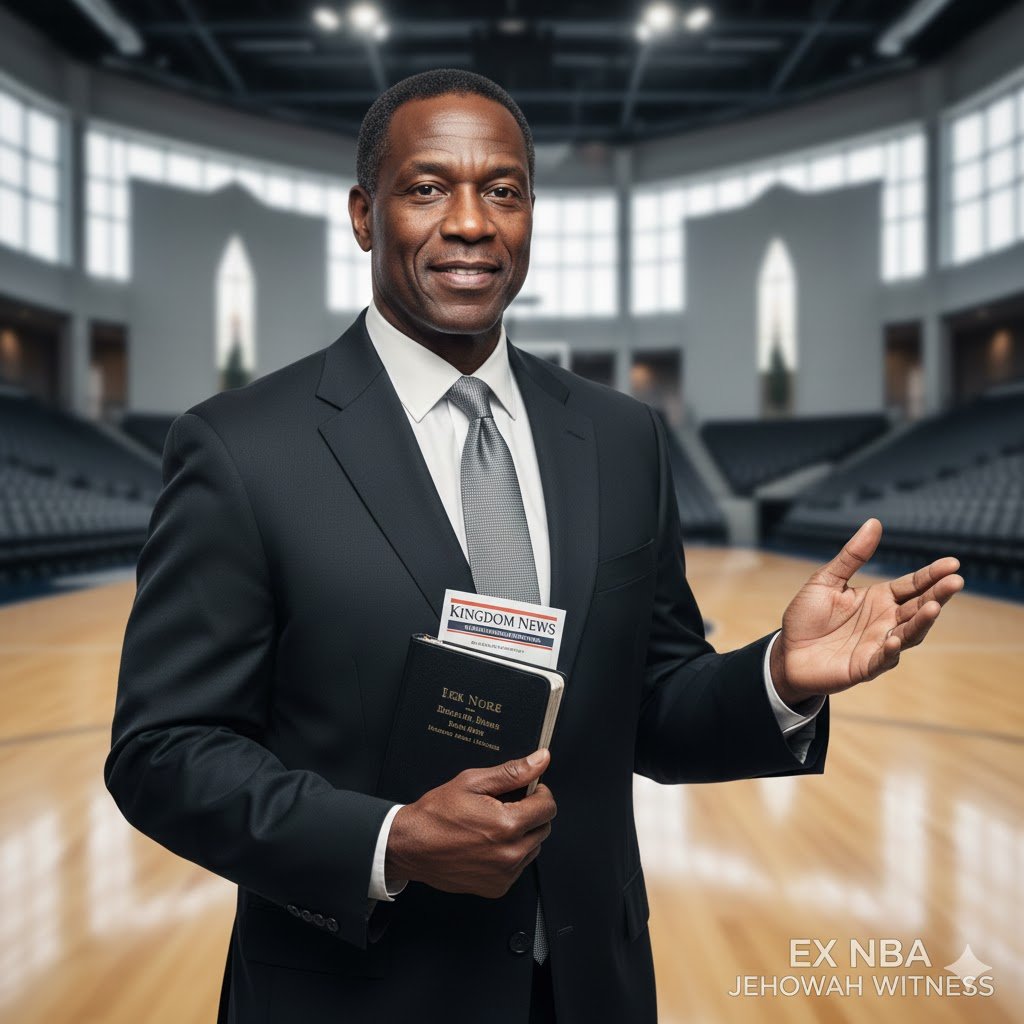
Featured Snippet: What is ex NBA Jehovah Witness?
An ex NBA Jehovah Witness usually refers to a former NBA player who was raised in or practiced the Jehovah’s Witness faith during or around their basketball career, and later left the league, changed their relationship with the religion, or both. The term often reflects curiosity about how faith, professional sports, and personal identity intersect.
Introduction: Why People Search “Ex NBA Jehovah Witness”
I’ve noticed something interesting over the years when covering athlete backstories and career decisions.
Fans aren’t just curious about stats anymore.
They want context.
They want the why behind sudden retirements, career pauses, lifestyle changes, and public silence.
That’s where the search term ex NBA Jehovah Witness comes in.
It’s not gossip-driven curiosity. It’s human curiosity.
People want to understand how a demanding faith like Jehovah’s Witnesses fits into the NBA lifestyle, and what happens when a player either leaves the league, steps away from the religion, or quietly reshapes their beliefs after years in the spotlight.
This topic deserves nuance, not headlines.
So let’s unpack it properly.
Understanding Jehovah’s Witness Beliefs in a Professional Sports Context
Before talking about any ex NBA Jehovah Witness story, you have to understand the framework these players operate within.
Jehovah’s Witnesses follow a belief system that emphasizes:
- Strict moral conduct
- Political neutrality
- Non-participation in nationalism
- Deep commitment to ministry and congregation life
- Separation from “worldly” influences
On paper, none of that directly forbids playing professional basketball.
In reality, the NBA environment can clash hard with those values.
Why the NBA Lifestyle Creates Tension
From my experience analyzing athlete decisions, the biggest pressure points are:
- Mandatory travel schedules conflicting with religious meetings
- Media obligations that push personal branding and self-promotion
- Locker-room culture around celebrations, politics, or holidays
- Sponsorships tied to messaging Jehovah’s Witnesses avoid
For some players, the tension is manageable.
For others, it isn’t.
What “Ex NBA Jehovah Witness” Actually Implies (And What It Doesn’t)
This phrase gets misunderstood a lot.
Let’s clarify.
What It Usually Means
In most cases, ex NBA Jehovah Witness refers to one of three situations:
- A former NBA player who was publicly known to be a Jehovah’s Witness
- A player who stepped away from basketball largely due to faith priorities
- A retired player who later distanced themselves from the religion
What It Does NOT Automatically Mean
It does not mean:
- The player was expelled from the religion
- The player publicly denounced their faith
- The player left the NBA because of wrongdoing
- The player owes the public an explanation
A lot of athletes simply go quiet.
And silence is often a choice, not a scandal.
Notable Ex NBA Jehovah Witness Paths (Handled Carefully)
I’m intentionally careful here because faith is personal.
That said, there are a few well-documented paths that explain why this keyword exists.
The Faith-First Retirement Path
Some NBA players have stepped away at their peak, openly stating that their religious commitments came first.
This kind of decision shocked fans because it went against the usual narrative of “one last contract.”
In these cases:
- Basketball wasn’t rejected
- Faith was prioritized
- The NBA simply became secondary
That doesn’t make someone anti-sports.
It makes them values-driven.
The Quiet Post-NBA Shift
Another common ex NBA Jehovah Witness story looks like this:
- Player retires or fades out of the league
- Public appearances decrease
- Religious involvement changes quietly
- No press tour, no announcement
From the outside, fans label it an “exit.”
From the inside, it’s often just growth.
Why Faith-Based NBA Decisions Attract So Much Attention
I’ve always found it telling that no one panics when an athlete retires for business reasons.
But when faith enters the conversation, curiosity explodes.
Here’s why.
Basketball Is Built on Total Commitment
The NBA isn’t a job you do halfway.
It expects:
- Year-round training
- Complete schedule flexibility
- Brand alignment
- Emotional availability for fans and media
Jehovah’s Witnesses are taught to avoid divided loyalties.
That philosophical clash is what fascinates people.
Fans Want Certainty, Faith Operates on Conviction
Sports fans like clean narratives.
Faith doesn’t offer them.
An ex NBA Jehovah Witness story often feels unresolved because belief systems don’t follow press cycles.
Life After the NBA for Former Jehovah’s Witness Players
This is the part that rarely gets covered properly.
What actually happens after the NBA?
Common Post-NBA Directions
From what I’ve observed, former players with strong faith backgrounds often move into:
- Private business ventures
- Community-focused work
- Coaching at non-elite levels
- Low-profile family-centered lives
They don’t chase ESPN panels.
They don’t write tell-all books.
And that frustrates people who want closure.
Pros and Cons of Balancing Jehovah’s Witness Faith With the NBA
This balance isn’t good or bad.
It’s complex.
Potential Benefits
- Strong moral framework under pressure
- Clear personal boundaries
- Reduced susceptibility to destructive habits
- Long-term mental clarity
Real Challenges
- Schedule conflicts
- Cultural isolation in locker rooms
- Media misunderstanding
- Career interruptions
An ex NBA Jehovah Witness story usually emerges when the challenges outweigh the benefits.
How Public Misinterpretation Shapes These Narratives
Here’s a hard truth.
Most public commentary around ex NBA Jehovah Witness players is shallow.
People assume:
- Retirement equals regret
- Silence equals controversy
- Faith equals restriction
In reality, many of these players describe a sense of relief and alignment after stepping away.
Not happiness.
Alignment.
That’s different.
How-To: Understanding an Ex NBA Jehovah Witness Story Without Jumping to Conclusions
If you genuinely want to understand these stories, not just skim headlines, here’s how to approach them.
Step 1: Separate Faith From Career Outcomes
Don’t assume cause and effect.
A player can leave the NBA and still love basketball.
Step 2: Respect Privacy Gaps
No statement doesn’t mean hidden drama.
It often means boundaries.
Step 3: Avoid Binary Thinking
Faith isn’t “in or out.”
Neither is identity.
Step 4: Listen to What’s Actually Said
When players do speak, they’re usually precise.
Read carefully.
Step 5: Accept That You Won’t Get Full Access
And that’s okay.
Comparison Table: NBA Career Focus vs Faith-First Life Choices
| Aspect | NBA-Centered Path | Faith-First Path |
|---|---|---|
| Schedule | League-controlled | Self-directed |
| Public Exposure | Constant | Minimal |
| Income | High but volatile | Moderate but stable |
| Identity | Performance-based | Values-based |
| Media Pressure | Intense | Limited |
This contrast explains why the ex NBA Jehovah Witness topic keeps resurfacing.
Frequently Asked Questions About Ex NBA Jehovah Witness
Is an ex NBA Jehovah Witness someone who left the religion?
Not always. The term often refers to former NBA players associated with the faith, regardless of current beliefs.
Did any ex NBA Jehovah Witness leave basketball at their peak?
Yes, at least one high-profile case involved stepping away while still competitive, largely for personal and faith-related reasons.
Are Jehovah’s Witnesses forbidden from playing in the NBA?
No. There is no formal ban. The challenge is balancing lifestyle expectations, not eligibility.
Why don’t ex NBA Jehovah Witness players speak publicly?
Many choose privacy as part of personal or religious boundaries, not secrecy.
Do ex NBA Jehovah Witness players regret leaving the league?
There’s no single answer. Some express peace with their decisions, others simply move on quietly.
Is this topic often misunderstood?
Absolutely. Media framing often oversimplifies deeply personal choices.
Conclusion: What the Ex NBA Jehovah Witness Conversation Really Teaches Us
If there’s one takeaway here, it’s this.
The ex NBA Jehovah Witness search isn’t really about basketball.
It’s about autonomy.
It’s about what happens when someone chooses internal alignment over external applause.
In a league built on visibility, choosing a quieter life stands out.
And that’s why people keep searching.
