

Featured Snippet: What Is How to Make Rose Oil?
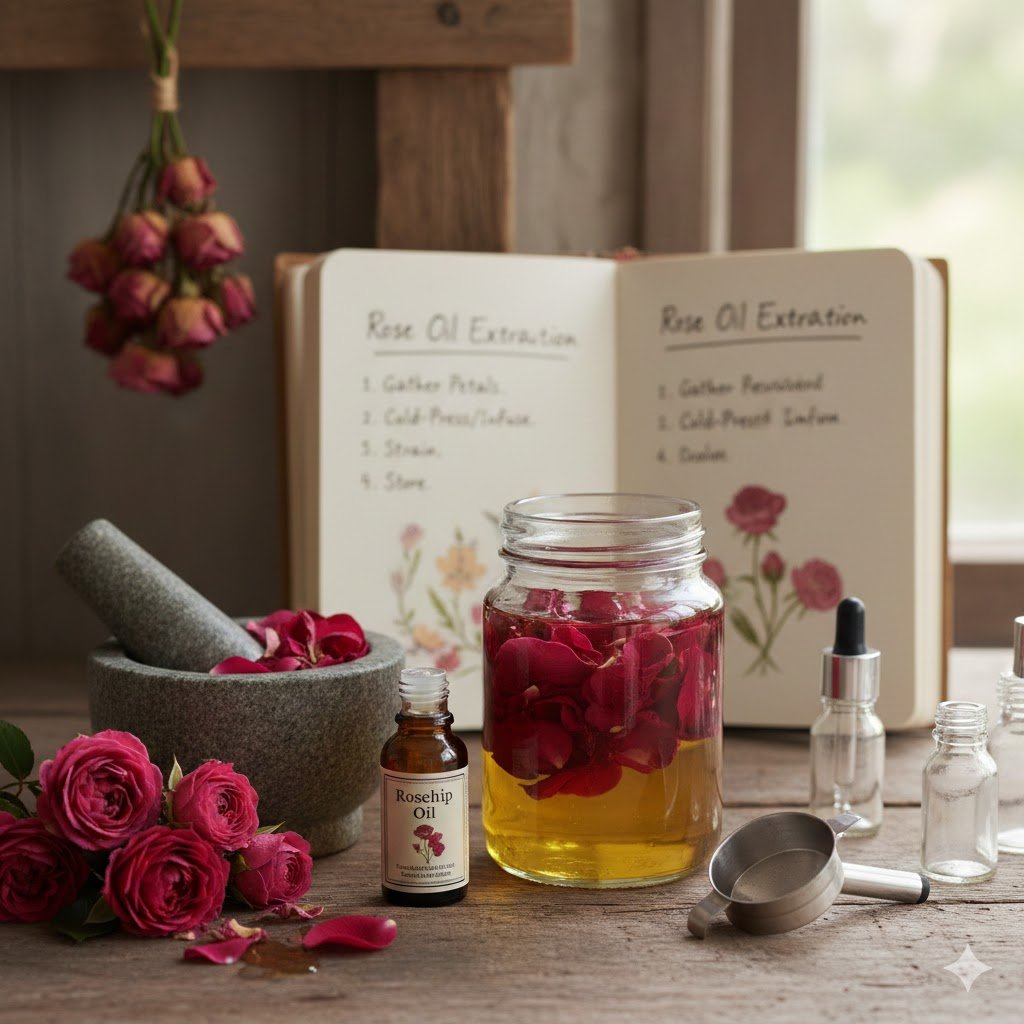
How to make rose oil means extracting the fragrance and beneficial compounds from rose petals into a carrier oil. It’s used for skincare, aromatherapy, and wellness. You can make it at home using fresh roses, clean oils, and proper infusion techniques.
Introduction: Why Making Rose Oil Matters
I remember my first attempt at making it smelled more like warm salad oil than the luxurious scent I imagined.
Most guides skip the real-world details: which roses actually work, how to handle petals, and the patience needed for infusion. Learning it properly ensures a rich fragrance, safe skincare benefits, and the satisfaction of crafting something natural yourself.
Over time, I learned that the secret isn’t just the roses—it’s the method, the oil, and the timing
Understanding how to make rose oil vs Essential Oil
Before diving into the steps, it’s important to know the difference.
| Type | Description | Can You Make It at Home? |
|---|---|---|
| Rose-infused oil | Petals infused into carrier oil | ✅ Yes |
| Rose essential oil | Steam-distilled volatile compounds | ❌ No (requires industrial equipment) |
Most DIY enthusiasts want the results of essential but at home, all you can do is create rose-infused oil. It’s gentler, still aromatic, and perfect for skin and hair care.
Choosing the Right Roses
Not all roses are created equal. For the best results:
Best Roses for:
- Damask roses
- Heirloom or garden roses
- Strongly scented, fully bloomed petals
Roses to Avoid:
- Store-bought bouquets (chemically treated)
- Weakly scented hybrids
- Florist roses with pesticides
Pro tip: The stronger the rose smells fresh, the better your it will be.
Selecting a Carrier Oil
The carrier oil affects scent, skin feel, and shelf life. My top picks:
- Jojoba oil – long shelf life, skin-friendly
- Sweet almond oil – light and absorbs well
- Fractionated coconut oil – odorless, very stable
- Light olive oil – traditional but heavier
Avoid heavily scented oils—they mask the delicate rose fragrance.
How to Make Rose Oil: Step-by-Step
Step 1: Harvest and Prepare Petals
- Pick roses early morning when oils are strongest
- Remove bruised or discolored petals
- Shake off insects gently
- Avoid washing unless necessary—moisture invites mold
Step 2: Slightly Dry the Petals
- Spread petals on a clean towel for 12–24 hours
- They should be soft, not crispy
- This reduces moisture and extends shelf life
Infusion Methods for how to make rose oil
Cold Infusion Method (Beginner-Friendly)
- Place petals in a clean glass jar
- Cover fully with your chosen carrier oil
- Seal the jar and store in a warm, dark place
- Shake gently once daily
- Infuse for 4–6 weeks
- Strain through cheesecloth and store in a dark glass bottle
Cold infusion preserves fragrance and nutrients.
Heat Infusion Method (Faster Option)
- Place petals and oil in a heat-safe jar
- Put in a water bath on low heat for 2–3 hours
- Do not boil
- Strain and store
Note: Heat speeds up the process but produces slightly milder fragrance.
Double Infusion (Extra-Strong Scent)
- Strain the first infusion
- Add fresh petals to the used oil
- Repeat the cold or heat method
- This method produces the deepest, most luxurious fragrance
Shelf Life and Storage
Proper storage extends freshness:
- Jojoba oil: up to 12 months
- Almond oil: 6–9 months
- Olive oil: ~6 months
Store in dark glass bottles, away from heat and sunlight. If the oil smells sour, discard it.
Common Mistakes When Making how to make rose oil
- Using wet petals → leads to mold
- Rushing infusion → weak fragrance
- Expecting essential oil potency → it is subtle
- Poor storage → sunlight and heat degrade aroma
Learning from these mistakes ensures a superior result.
Benefits of Homemade how to make rose oil
- Gentle on skin, suitable for sensitive types
- Affordable compared to store-bought oils
- Customizable with your preferred carrier oil
- Free from synthetic chemicals
Limitations:
- Not as concentrated as essential oil
- Requires patience for infusion
- Dependent on rose quality
Uses for how to make rose oil
Skincare: Facial massage, cuticle oil, body moisturizer
Aromatherapy: Pulse points, baths, relaxation rituals
Hair Care: Scalp massage, dry hair treatment, frizz control
Tips to Enhance Your it
- Pick roses on a sunny morning for stronger fragrance
- Slightly bruise petals to release natural oils before infusion
- Use double infusion for richer aroma
- Label bottles with dates to track freshness
FAQs: How to Make Rose Oil
How long does it take to how to make rose oil?
Cold infusion: 4–6 weeks; heat infusion: 2–3 hours.
Can I use dried petals?
Yes, but fresh petals give stronger fragrance.
Does homemade how to make rose oil smell strong?
It’s gentle and natural, not overpowering like essential oil.
Can I use it on my face?
Yes, if carrier oil is skin-safe and petals are clean.
How do how to make rose oil smell stronger?
Use highly fragrant roses and try the double infusion method.
Is how to make rose oil safe for sensitive skin?
Generally yes, but always patch test before use.
Conclusion: Is Making how to make rose oil Worth It?
Making your own it isn’t about shortcuts—it’s about quality, patience, and attention to detail.
Once you master it, you’ll notice the difference: authentic fragrance, skin and hair benefits, and the satisfaction of creating something natural.
This skill connects you to a centuries-old tradition and gives you a luxurious product at home that no store-bought oil can match.
